Is there a right time to share your market outlook?

How timing, format and channel strategy shape adviser engagement
Market outlooks are a staple of asset manager communication, offering an opportunity to demonstrate expertise, clarity of thinking and conviction. But while most firms publish outlooks on predictable quarterly or annual cycles, not all achieve meaningful engagement. New research and campaign insights from Fundamental Media show that the impact of a market outlook depends far more on when, how and where it is delivered than on the content alone.
Timing: Why “the sooner, the better” is a myth
Each January and July, advisers are inundated with outlook content as asset managers rush to be first. Yet these periods consistently show up to 25% lower engagement, largely because advisers’ attention is stretched across portfolio reviews, client reporting cycles and holiday periods.
In fact, outlooks released 2–4 weeks after the initial January surge generate notably stronger engagement, including 1.6x longer dwell times. Similarly, pieces timed around meaningful market catalysts (central bank decisions, elections, inflation data) achieve 30–40% higher interaction rates.
The lesson: timeliness beats speed. Advisers respond better when an outlook enters the conversation at a moment of relevance, rather than simply marking the calendar.
Format: Depth matters, but so does digestibility
Advisers across APAC are diverse in their needs and time constraints. Successful outlooks match different formats to different stages of engagement:
- Chaptered reports remain essential for institutional audiences who expect depth. These work best when modular, clearly navigable and supported by shorter digital summaries or interactive versions.
- Short-form “bites” (e.g. 90-word posts, one-minute videos, charts of the week) perform exceptionally well on platforms like LinkedIn, where time-poor advisers seek quick perspective. These formats reliably drive higher click-through and repeat engagement.
- Portfolio-level deep dives translate macro views into actionable implications. Advisers value content that answers the “so what?”: how should allocations shift? What portfolio behaviours matter now? These deeper pieces perform strongly in nurture phases and gated lead-gen campaigns.
The most effective outlook programs combine all three, using short-form content to spark curiosity and long-form analysis to deliver substance.
Channel strategy: Meeting advisers where they already are
LinkedIn remains the dominant professional channel for financial advisers, with strong performance from Document Ads, Thought Leader Ads and short video formats. These tools allow managers to reach targeted adviser segments and distribute insights in digestible, high-impact formats.
Financial publishers offer third-party credibility and contextual placement. Native placements within editorial environments consistently outperform banner-led campaigns.
Meanwhile, owned channels such as email newsletters and CRM retargeting remain powerful for deep engagement. Follow-up sequences based on previous interactions (“You downloaded our Q1 outlook – here’s what’s changed post-Fed”) help convert interest into trust.
What advisers actually want: Insights from our Australian research
The 2025 Australian Financial Intermediaries Research shows a clear message: over 50% of advisers want more communication on market trends and analysis, more than any other topic.
But they also want outlooks that are:
- easy to extract and share
- jargon-free
- rich with simple charts
- actionable for client conversations
The best-performing outlooks therefore combine clarity with practicality, helping advisers explain complex themes confidently to their clients.
How to make your next outlook stand out
Across regions and campaigns, several principles consistently drive stronger results:
- Time it off-cycle and anchor around meaningful events.
- Layer your content: short insights for reach, deep dives for credibility.
- Use modular design to make longer pieces easier to navigate.
- Humanise your experts with video or first-person commentary.
- Activate multi-channel sequencing, not one-off pushes.
- Localise examples and respect regional workflows and seasonality.
For a more detailed analysis on this topic as well as additional tips and insights, download our latest whitepaper below.

Active ETFs vs managed funds: the art of selling without self-sabotage
How do you differentiate the traditional managed fund and the newer active ETF without blurring their value or cannibalising demand?

From mutual funds to private markets: the next battleground for asset managers
Several traditional asset managers have launched alternative investment products, but how can managers best position their products to win market share?
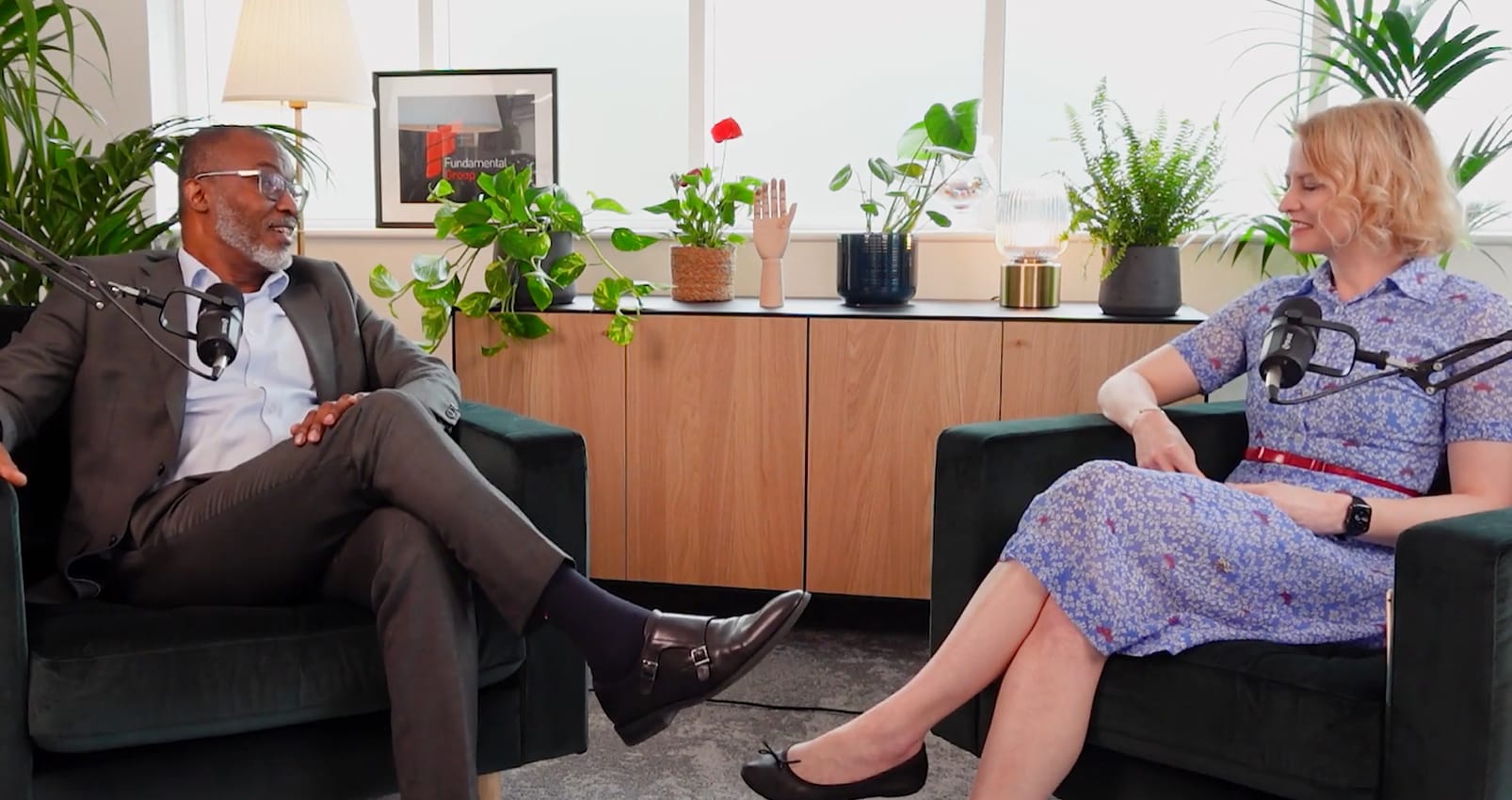
VIDEO: The pace of change in marketing
In this short video, we explore whether asset management marketers are equipped to keep pace with this rapid transformation.