US individual investors recall 62 mutual fund providers

More than half of investors are very or quite familiar with the four best-known managers, research by Aureum Y found
Key points:
- The top manager was mentioned by 29.3% of respondents, followed by the second at 26%.
- More than half of respondents said they were very or quite familiar with the four best-known managers.
- Over 75% said they were very or quite likely to invest in the three ETF providers with the highest propensity-to-buy scores.
US retail investors recalled 62 different asset management brands linked to mutual funds, according to research by Aureum Y, the research division of Fundamental Group. The top manager was mentioned by 29.3% of respondents, followed by the second at 26%. All others were cited by fewer than 10% of investors.
The gap between the two most-recalled companies and the rest highlights how a few large asset managers are maintaining strong positioning across both the retail and professional segments.
More than half of respondents said they were very or quite familiar with the four best-known managers. Meanwhile, 70% reported being very or quite likely to invest in the six firms with the highest propensity-to-buy scores, and among those who know the brands well, a large majority also expressed a high likelihood to invest in the leading brands.
The results come from the US End Investors Survey 2025, based on responses from 2,200 retail investors in the US. To assess brand perceptions, Aureum Y created a Brand Equity Index combining recall, familiarity, propensity to buy and distinctiveness.
The survey’s methodology was tailored for a retail audience, with several adjustments compared to Aureum Y’s Global Brand Survey of intermediaries and institutional investors. Adjustments included measuring propensity to buy only among those with stronger brand familiarity, focusing recall questions on mutual funds and ETFs, and assessing distinctiveness through guided attributes rather than open-ended responses.
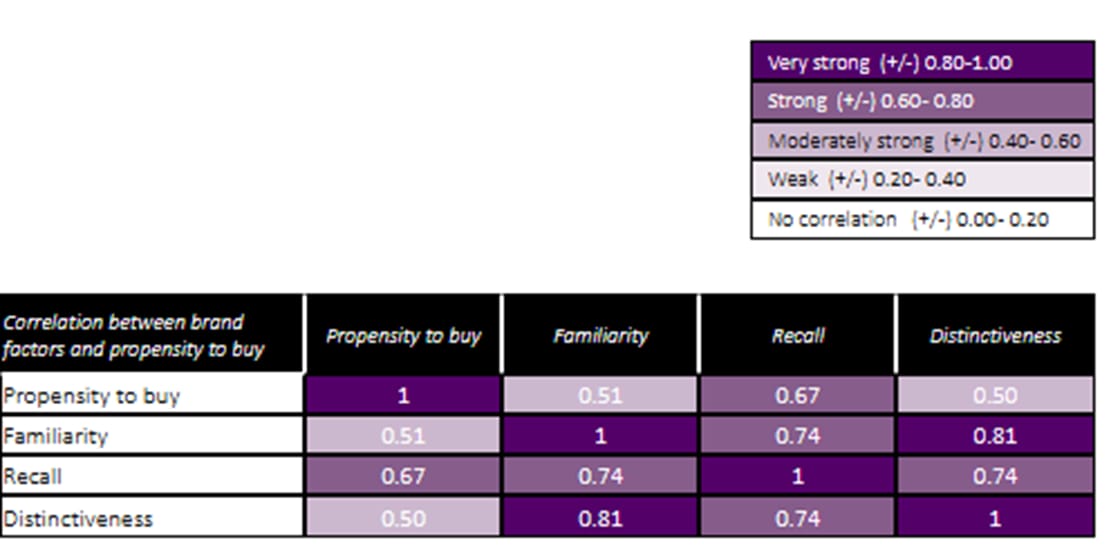
The data shows that familiarity, recall and distinctiveness all correlate positively with propensity to buy. Unprompted recall has the strongest link (0.67), suggesting that brands top of mind are most likely to drive investment decisions. Prompted familiarity (0.51) and distinctiveness (0.50) follow closely.
Distinctiveness also shows very high correlations with both familiarity (0.81) and recall (0.74), indicating that brands seen as distinctive are more likely to be remembered and recognized. This suggests distinctiveness can strengthen recall and familiarity, both of which support purchase intent. However, familiarity alone – without distinctiveness or recall – appears less effective in driving investment.
A quarter of investors recalled the top two ETF providers, while more than half were very or quite familiar with the three best-known ETF providers. Over 75% said they were very or quite likely to invest in the three ETF providers with the highest propensity-to-buy scores.
The use of ETFs is higher in the US than in the UK and Japan, the other two markets surveyed in 2025. Some of the companies who rank highly in the asset management Brand Equity Index are also strongly recognised for their ETF offering and are leading in the ETF Brand Equity Index as well.
For more information and to request access to the full report, visit our dedicated individual investors reports page.

Active management leads allocation outlook for intermediaries in Spain
Active management shows the strongest appetite among intermediaries in Spain for the year ahead. Read Aureum Y’s full findings.

How intermediaries in Hong Kong select funds: new survey insights
Investment philosophy is the top fund selection factor among intermediaries in Hong Kong, with brand strength and cost also key. Read Aureum Y's findings.

Local managers rival globals among financial intermediaries in Switzerland
Local Swiss asset managers now match global names for brand familiarity among financial intermediaries in Switzerland. Read Aureum Y's full findings.